
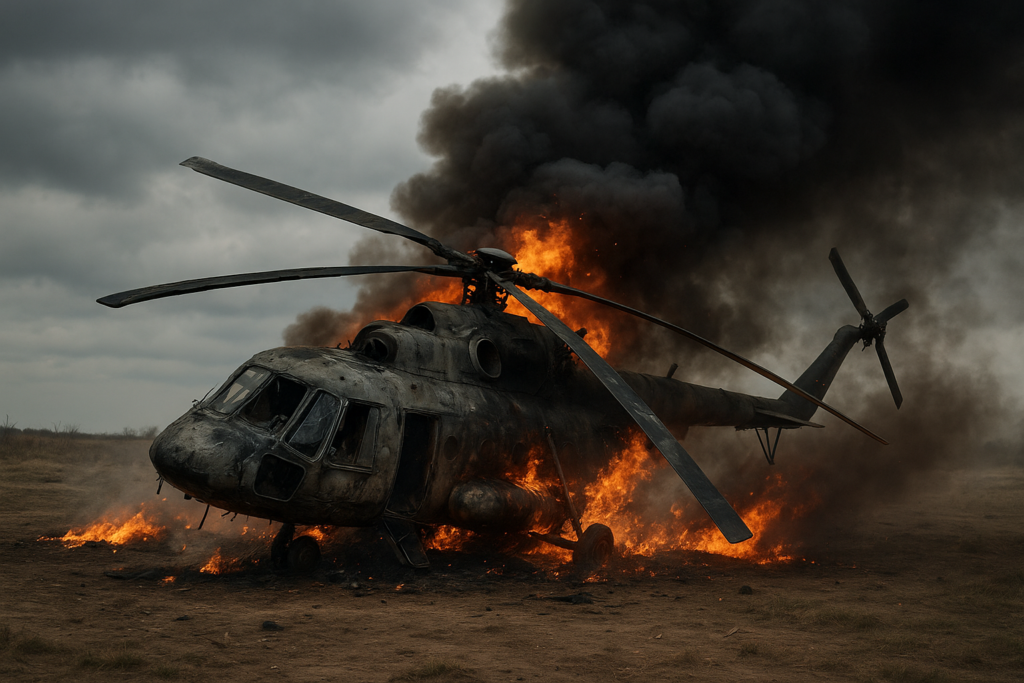
Iran’s President Ebrahim Raisi Dies in Helicopter Crash: What Happened and What It Means
The world was left in shock on May 19, 2024, when news broke that Iranian President Ebrahim Raisi had died in a tragic helicopter crash. This unexpected event has left many wondering: What exactly happened? Why did the crash occur? And most importantly, what does this mean for the future of Iran and the global political landscape?
In this article, we’ll break down the events surrounding the crash, explore the implications of Raisi’s death, and explain it all in a simple, easy-to-understand way.
Who Was Ebrahim Raisi?
Before we dive into the incident, let’s get to know who Ebrahim Raisi was.
Raisi was Iran’s president since 2021 and a key player in the conservative ruling faction. Often referred to as a protégé of Supreme Leader Ayatollah Ali Khamenei, he was widely seen as a potential successor to the country’s top position.
What made Raisi a significant figure in Iranian politics?
- He was known for his hardline stance on Western countries, especially the United States and Israel.
- He previously served as Iran’s Chief Justice, giving him a prominent role in shaping Iran’s legal and political framework.
- His presidency was marked by internal protests, economic struggles, and tense international relations.
Needless to say, his sudden passing has created a ripple effect both inside and outside Iran.
The Helicopter Crash: What We Know So Far
On May 19, President Raisi was returning from a visit to the Iran-Azerbaijan border where he had inaugurated a new dam. While flying back with a group of political and military officials, including Foreign Minister Hossein Amir-Abdollahian, their helicopter crashed in the mountainous region of East Azerbaijan province.
The weather was reportedly poor at the time, with heavy fog making navigation extremely difficult.
Here’s what we’ve learned about the crash:
- The Bell 212 helicopter lost contact roughly 30 minutes into the flight.
- The crash site was located after a massive overnight search and rescue operation involving drones and infrared imaging.
- There were no survivors among the nine people on board.
Can you imagine how terrifying that must have been for those involved? In rugged terrain, poor visibility becomes a life-threatening issue very quickly.
Was It Just an Accident?
That’s the question on everyone’s mind. Whenever a high-ranking leader dies in a crash, conspiracy theories erupt. Some believe it was just a tragic accident caused by poor weather and aging equipment. Others suggest possible sabotage, citing long-standing political tensions.
As of now, Iranian authorities claim the crash was due to technical failure compounded by bad weather. However, a full investigation is underway.
What Happens Next? Iran’s Political Future After Raisi
With Ebrahim Raisi gone, Iran faces a period of political uncertainty.
Here’s what we can expect:
- Vice President Mohammad Mokhber has been appointed as acting president.
- Iran’s constitution requires a new presidential election to be held within 50 days.
- Speculation is mounting over who might take Raisi’s place—not just as president, but as a future Supreme Leader.
What’s interesting is that Raisi’s death comes at a time when Iran is already under immense pressure—from economic sanctions, internal unrest, and growing isolation from the West.
What About Foreign Policy?
Raisi was known for his tough foreign policy. He took a confrontational stance against Israel, revived tensions with the U.S., and strengthened military ties with Russia and China.
Now that he’s gone, will Iran change course?
According to experts, major shifts are unlikely unless there’s a complete change in leadership. The real power in Iran lies with the Supreme Leader and the religious elite, so any immediate policy change is expected to be minimal.
But one thing is for sure: global alliances will be recalibrating their approach to Iran in the weeks and months to come.
The Human Side of Political Tragedy
It’s easy to get caught up in political analysis, but let’s not forget—this was a human tragedy. Nine people died, including bodyguards, pilots, and political staff members. Families are grieving. A country is in mourning. Citizens who supported Raisi or believed he could make a difference are now left without answers.
This might remind you of other historical events. Think about how the world stood still when John F. Kennedy was assassinated or when Princess Diana died in a car crash. These were more than just political losses—they were emotional turning points that left lasting impressions.
Public Reaction: Mourning and Mistrust
Iran has declared five days of national mourning following Raisi’s death. Large crowds have gathered to pay their respects, while political leaders from across the globe—friends and foes alike—have sent in their condolences.
However, trust in the government remains fragile. Iran has faced multiple waves of protests over the years, and this incident may ignite renewed calls for transparency and reform.
What This Means for the Rest of the World
Why should people outside Iran care?
Well, Iran is a key player in Middle East politics. It influences everything from global oil markets to nuclear security and regional conflicts. With Raisi’s sudden death, there’s a vacuum of leadership that could lead to instability—or opportunity.
Other nations will be watching closely for signs of:
- Leadership shifts that could make Iran more open or more aggressive
- Changes in nuclear negotiation strategies
- Shifts in alliances with China, Russia, or Western nations
If you follow world news, this event is worth watching. It could reshape international relations in ways we can’t yet predict.
Final Thoughts: A Nation at a Crossroads
The death of President Ebrahim Raisi isn’t just a headline—it’s a pivotal moment with wide-reaching consequences. Whether you’re deeply familiar with Iranian politics or just hearing the name for the first time, this event matters.
It’s a reminder of how quickly things can change, how fragile leadership can be, and how history often unfolds in the most unexpected ways.
Stay tuned—Iran’s future, and its role in the world, may look very different in the months to come.
Have Thoughts to Share?
What do you think this means for the region and the world? Could this be an opportunity for change in Iran, or will it lead to more unrest? Share your thoughts in the comments section below. We’d love to hear from you.
And don’t forget to bookmark our blog for more updates on international news in plain, human language you can actually understand.
Keywords (for SEO): Iran President helicopter crash, Ebrahim Raisi death, Iranian politics, Raisi helicopter accident, Iran leadership change, Hossein Amir-Abdollahian killed, Bell 212 helicopter crash, Middle East news, Iran future after Raisi
—
Thanks for reading, and stay informed!